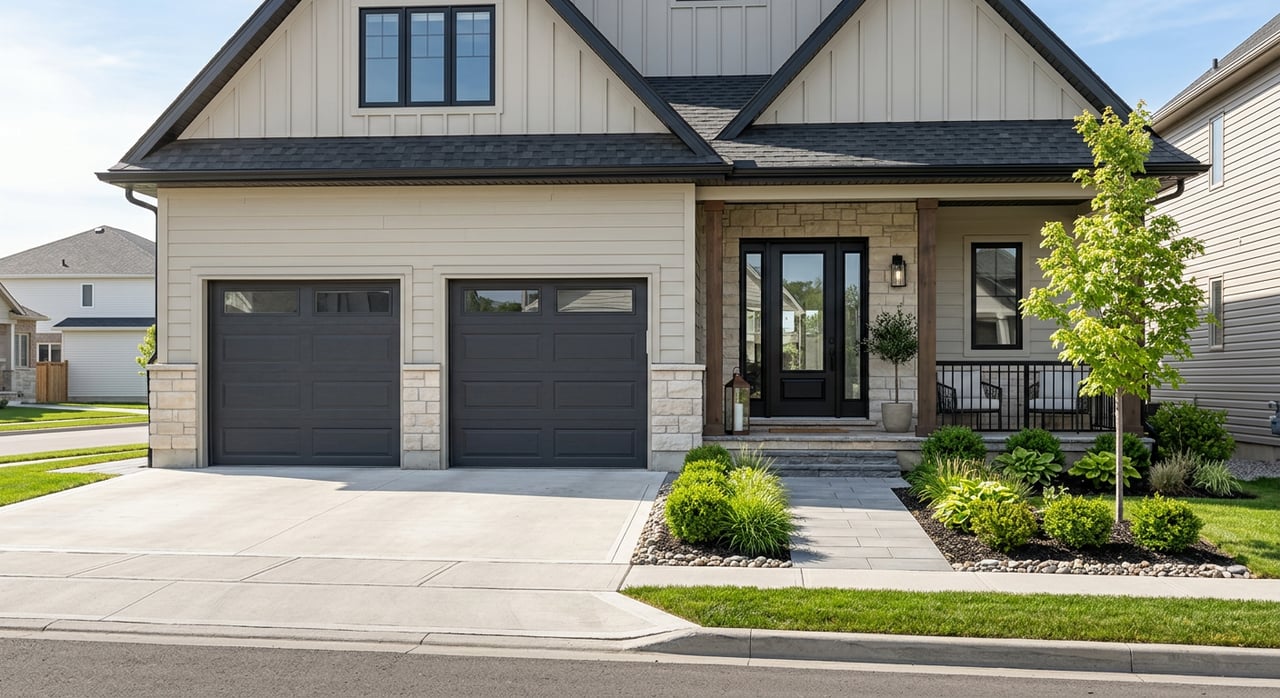
Thinking about selling your home in Ankeny and not sure where to start? You’re juggling timing, pricing, prep work, and paperwork, all while planning your next move. This guide breaks the process into clear steps so you can set a smart timeline, price with confidence, and avoid last‑minute surprises. You’ll find Iowa‑specific rules, a practical prep checklist, and what to expect from offers through closing. Let’s dive in.
Know your timeline in Ankeny
The best sales happen with a plan. Public market snapshots often show Ankeny in the low to mid $300,000s as of late 2025, but those figures vary by source and update cycle. What matters most is how your home compares to similar recent sales and current competition in your zip. Build your timing around prep, launch week, negotiations, and a typical 30 to 45 day closing window after you accept an offer.
Start 3–6 weeks out
Use the first few weeks to get organized and set the right foundation.
- Gather records: warranties, permits, repair invoices, and utility averages. Your disclosure requires known details and any relevant documents.
- Complete Iowa’s Seller Property Condition Disclosure: Iowa law requires most sellers of one to four units to provide a written disclosure before or upon acceptance of an offer. Failure to deliver can trigger a buyer’s limited right to cancel. Review the state’s guidance and form in the Iowa Real Estate Commission packet to understand timing and content requirements. You can read the state guidance in the Seller Property Condition Disclosure packet from the Iowa Real Estate Commission.
- Lead‑based paint note for pre‑1978 homes: Federal rules require you to disclose known lead‑based paint information, share the EPA/HUD pamphlet, and offer buyers a standard testing period unless waived. See HUD’s materials for the core requirements.
- Consider a pre‑listing inspection: This can surface issues early so you can address them or price accordingly.
Helpful links:
- Iowa Seller Property Condition Disclosure requirements and sample form (Iowa Real Estate Commission): state guidance and form
- Federal lead disclosure context (HUD): overview materials
Price with a local CMA
Price is your most powerful marketing tool. Ask your agent for a comparative market analysis that:
- Uses closed MLS comps from the last 30 to 90 days in your part of Ankeny.
- Adjusts for age, lot size, finished basements, and upgrades.
- Reviews 3 to 5 recent closed sales, 3 active competitors, and any pending sales in the same general area and school feeder.
Public aggregators are helpful for broad context, but they use different methods and timelines. For an accurate list price and offer strategy, rely on current MLS comps and on‑market competition.
Prep, repair, and stage
A clean, move‑in‑ready feel helps your home stand out, especially in the first two weeks online.
- Declutter and deep clean throughout.
- Fresh, neutral paint and quick touchups.
- Address mechanical and safety items: roof, leaks, HVAC service, GFCIs.
- Boost curb appeal: trim landscaping, fresh mulch, fix driveway or walk cracks.
- Stage high‑impact rooms: living room, primary bedroom, and kitchen.
According to the National Association of Realtors’ 2023 Profile of Home Staging, most buyer agents say staging helps buyers visualize a property, and many listing agents report that staging can shorten time on market. Consider professional photos and light staging to maximize first impressions. Read the NAR findings here: NAR Profile of Home Staging.
Launch strong marketing
Exposure in the first 1 to 2 weeks is critical. A solid Ankeny listing plan usually includes:
- MLS listing with professional photography.
- A 3D tour or video walkthrough, especially if the home is vacant or freshly staged.
- Targeted social media ads and neighborhood‑level outreach.
- Email announcements to local buyer agents and interested past clients.
- A broker open or well‑timed public open house if appropriate.
High‑quality photos and wide distribution help your home show up in more buyer searches and agent previews. Keep your home show‑ready during the first two weekends for maximum momentum.
Manage showings smoothly
Plan for a busy first week so every buyer has a good experience.
- Use a secure lockbox and clear viewing windows.
- Create a one‑page property facts sheet with roof age, system updates, utility averages, and HOA details.
- Remove or secure valuables and medications.
- Set the thermostat for comfort and turn on lights for easy touring.
- Have a pet plan so showings stay smooth.
Review and compare offers
When offers arrive, compare more than the price. Look at:
- Financing type and certainty: cash vs fully underwritten approval vs pre‑qualification.
- Contingencies: inspection, appraisal, financing.
- Timeline: closing date and possession needs.
- Net proceeds: price minus concessions, credits, and fees.
Some buyers use escalation clauses or offer appraisal gap coverage. Your agent should summarize each term and show a net sheet so you can choose the best overall outcome.
Navigate inspections and repairs
Inspections are standard. You do not have to fix everything an inspector finds, but you should be ready to negotiate.
- Decide in advance which items you might repair and which you would credit.
- Get rough estimates for likely issues if you can.
- Consider a pre‑listing inspection to reduce surprises and keep leverage.
Your purchase agreement will set timelines and processes for requests, responses, and credits. Staying proactive helps you keep the deal on track.
Understand title, abstract, and closing
Iowa relies on an abstract of title and an attorney opinion or Title Guaranty program for many transactions. If your abstract is out of date or missing, updating or reconstructing it can take one to several weeks and may add cost. Plan for that step early so you are not rushing right before closing. For background on the Title Guaranty framework and standards, review the Iowa Finance Authority rules: Iowa title and abstract context.
After you accept an offer, many financed sales close in roughly 30 to 45 days, depending on lender speed, appraisal, inspections, and any title curative work. Cash deals may close faster. For a national perspective on typical timelines, see this overview of list‑to‑close ranges: How long closings usually take.
Plan for transfer tax and local costs
Iowa charges a real estate transfer tax calculated at $0.80 for each $500, or fraction, of the price that is above $500. The Declaration of Value form is required at recording. The statute outlines the calculation: Iowa Code §428A.1. Who pays can be negotiated, but it is common for sellers to cover this line item. Confirm with your closing agent how it will appear on your settlement statement.
Property taxes are prorated at closing. Polk County’s Treasurer handles billing and can provide payment schedules and details that feed into prorations. If you want to review due dates and payment procedures, visit the Polk County Treasurer.
Typical seller costs to expect at closing include:
- Real estate commission (negotiable).
- Owner’s title policy or abstract update fees (local custom; confirm with your title partner).
- Payoff of outstanding mortgages and any HOA liens.
- Prorated property taxes and utility adjustments.
- Iowa transfer tax and recording fees.
- Any seller concessions agreed in the contract.
Week‑by‑week checklist
Use this simple roadmap to keep your sale on schedule.
- 3 to 6 weeks before listing: interview agents, gather records, order a pre‑listing inspection if desired, get a preliminary CMA, plan repairs and light staging.
- 1 to 2 weeks before listing: complete repairs, schedule professional photos and a floor plan or 3D tour, prepare disclosure packet and your property facts sheet.
- Listing week: go live on the MLS, launch digital advertising and agent outreach, schedule an open house if appropriate.
- Under contract (days 0 to 7): deposit earnest money, open title and start abstract update, schedule inspection and appraisal per the contract.
- Inspection period (typically days 7 to 14): negotiate repairs or credits.
- Underwriting and appraisal (days 14 to 40): respond to any title exceptions; the lender completes underwriting; watch for clear‑to‑close.
- Closing (about days 30 to 45 post‑offer for financed deals): sign, fund, payoffs and prorations, record the deed, hand over keys. Cash or pre‑underwritten buyers may shorten this.
Ready to sell in Ankeny?
You deserve a clear plan, confident pricing, and marketing that reaches the right buyers fast. Our team pairs neighborhood insight across Ankeny’s 50021 and 50023 zip codes with a proven, team‑based process that handles prep, staging guidance, marketing, and closing coordination so you can move on your timeline. If you’re comparing strategies or want a data‑driven pricing plan tailored to your home, connect with the Ingrid Williams Real Estate Team to Start Your Next Move.
FAQs
Do I have to fix every inspection item when selling in Ankeny?
- No. You can negotiate which items to repair, offer credits, or adjust price. Decide your strategy with your agent before the inspection period.
What happens if I forget the Iowa Seller Property Condition Disclosure?
- Iowa requires a written disclosure for most one to four unit homes, and missing or late delivery can give buyers limited cancellation rights; review the state guidance and form here: Seller Property Condition Disclosure.
Who pays Iowa’s real estate transfer tax at closing?
- The tax and Declaration of Value are statutory; who pays can be negotiated, but many transactions have the seller cover it at recording; see the calculation in Iowa Code §428A.1.
How long does it usually take to close after accepting an offer in Polk County?
- Many financed transactions close in about 30 to 45 days after acceptance, depending on lender speed, appraisal, inspections, and title work; cash buyers may close faster. See an overview here: How long closings usually take.
What documents should I gather before listing my Ankeny home?
- Collect warranties, permits, repair invoices, utility averages, and your completed Seller Property Condition Disclosure; prepare a one‑page facts sheet for showings with roof age, system updates, HOA info, and upgrades.