You sign the seller's disclosure statement, and it feels like the paperwork problem is solved. Every material issue with the roof, the basement, the sewer line, is on the page in front of you, and the seller has certified it under Iowa law. So when you're closing on a townhome in Prairie Trail, it's easy to assume the next envelope will show you the homeowners association's finances the same way: reserve balance, upcoming assessments, meeting minutes, the whole picture.
That envelope isn't coming. Not because anyone is hiding anything, but because Iowa doesn't require anyone to send it.
What the Disclosure Law Actually Covers
Iowa Code Chapter 558A is real and it's specific. Sellers of one-to-four unit residential property have to deliver a written disclosure statement before a buyer's offer is accepted, and the standard state form walks through the roof, basement, sewer system, and known environmental hazards like radon or asbestos. If the seller doesn't deliver it on time, the buyer can walk away without liability, and the law even lets sellers file the disclosure with the county recorder as extra protection. It's a genuinely useful document, and it's built to answer one question: is there something wrong with this house that I don't know about.
It was never built to answer a second question: is there something wrong with this association's finances that I don't know about. Where a home sits inside an HOA, the form asks the seller to check a single box confirming the property is subject to restrictive covenants. That's the extent of what the state requires on the HOA side. No reserve fund figure, no special assessment history, no copy of last year's meeting minutes.
The Condo Rule Sounds Like a Fix, and Mostly Isn't
Iowa does have a separate statute for condominiums, Chapter 499B, but it's a short one. On a voluntary sale, the buyer becomes jointly liable with the seller for any unpaid association assessments, and the one protection built into the law is the buyer's right to request a statement from the association showing what's currently owed. If the buyer doesn't request it, the association never has to send it. If the buyer does request it, the buyer is protected only up to the amount stated, and nothing in the statute caps what the association can charge to produce it. That's Iowa's version of a resale certificate, and it covers unpaid dues on the specific unit. It says nothing about the association's reserve fund, its planned capital projects, or whether a special assessment is already being discussed at the board level.
For homeowners associations that aren't condominiums, which describes most of Prairie Trail's single-family and townhome product, there isn't even that. Non-condo HOAs in Iowa are governed by their own CC&Rs and by the Iowa Nonprofit Corporation Act, a general-purpose statute written for nonprofit boards of every kind, not homeowners associations specifically. Nothing in state law obligates the association to hand a buyer anything before closing.
Compare that with how other states handle the same moment. Virginia gives buyers a statutory right to a full disclosure packet and requires the association to produce it within 14 days of a request. California's Davis-Stirling Act and Virginia's Property Owners' Association Act both require explicit written disclosure of any pending special assessment before a sale closes. Florida requires the association to disclose the fee it charges just to prepare the paperwork. Iowa asks for none of that. Buyers here are expected to ask.
Why This Lands Differently in Prairie Trail
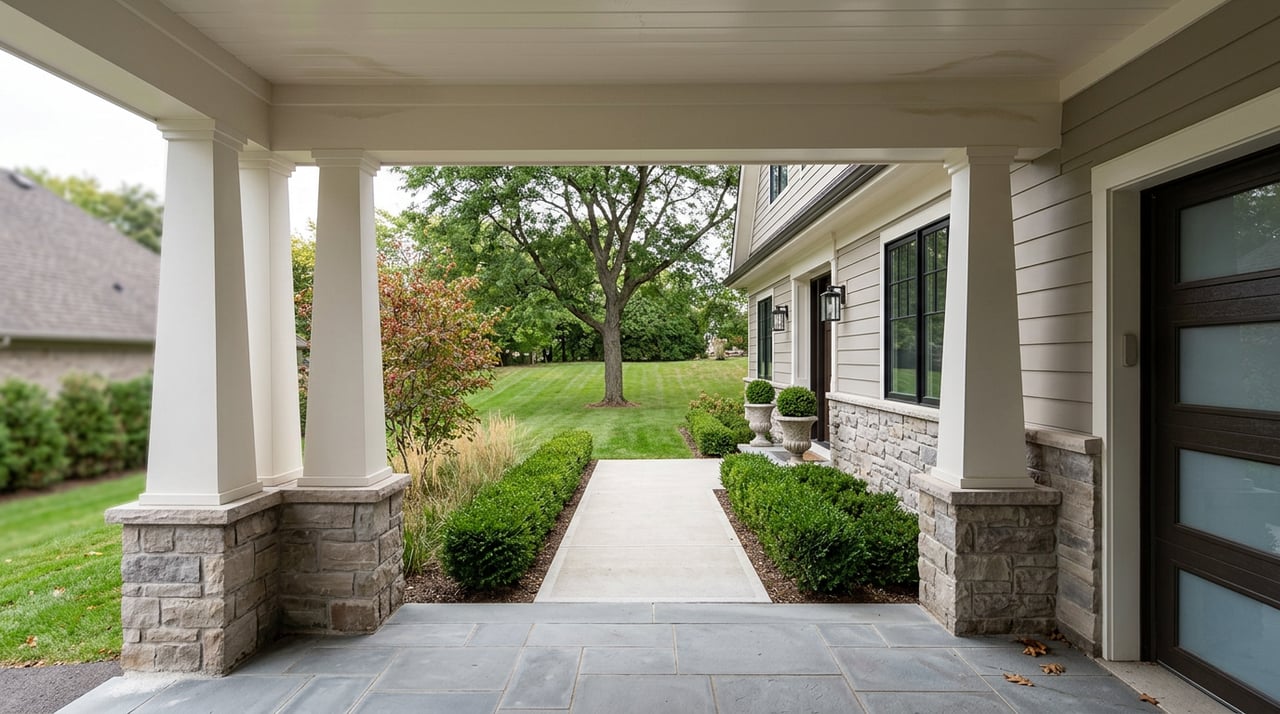
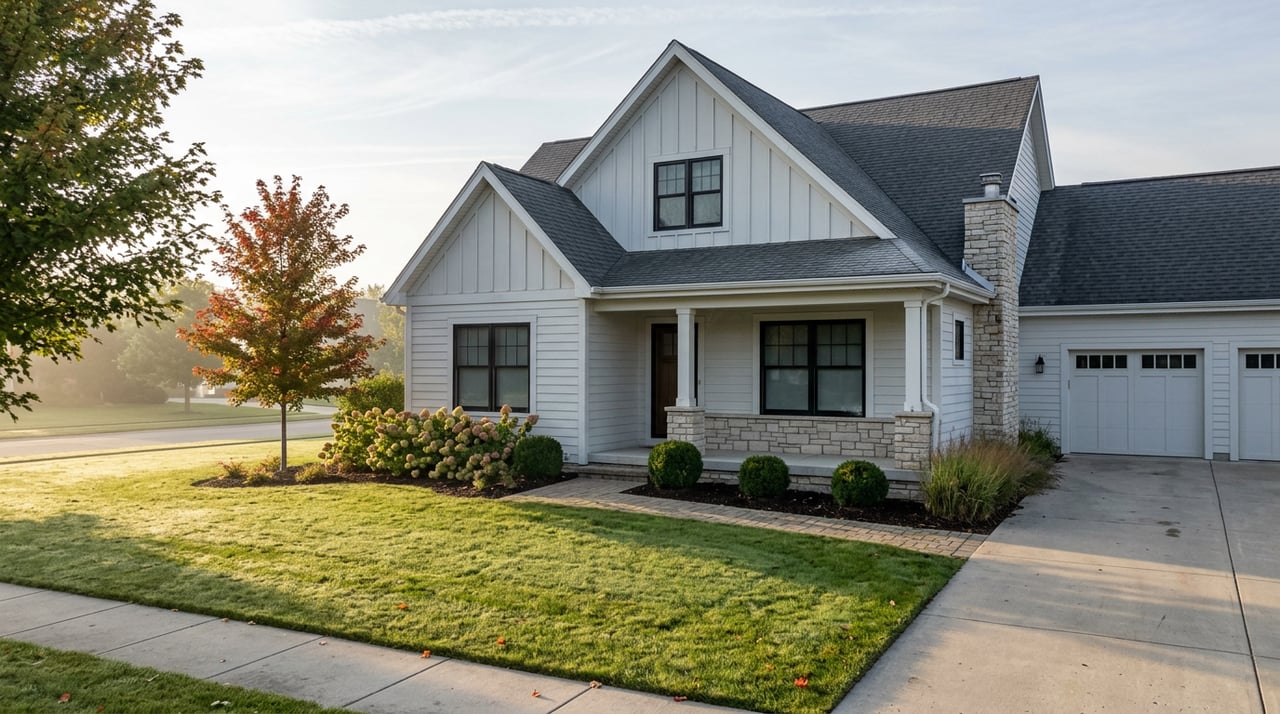
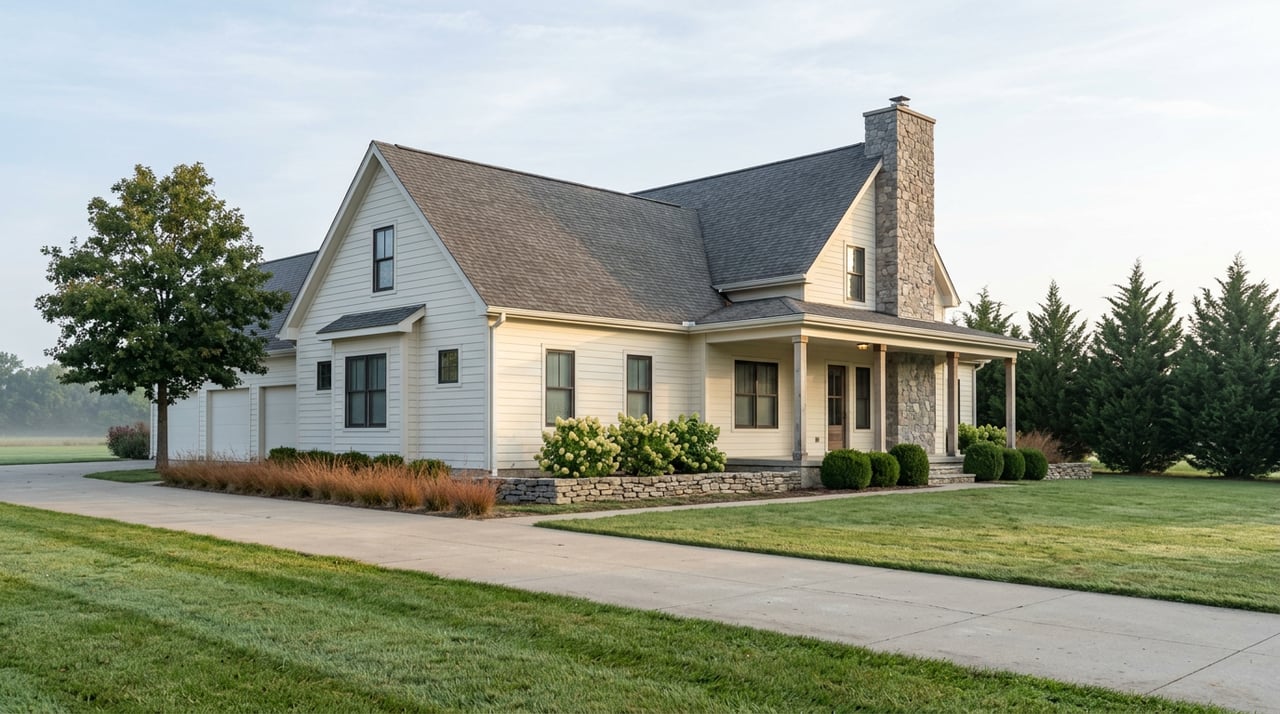
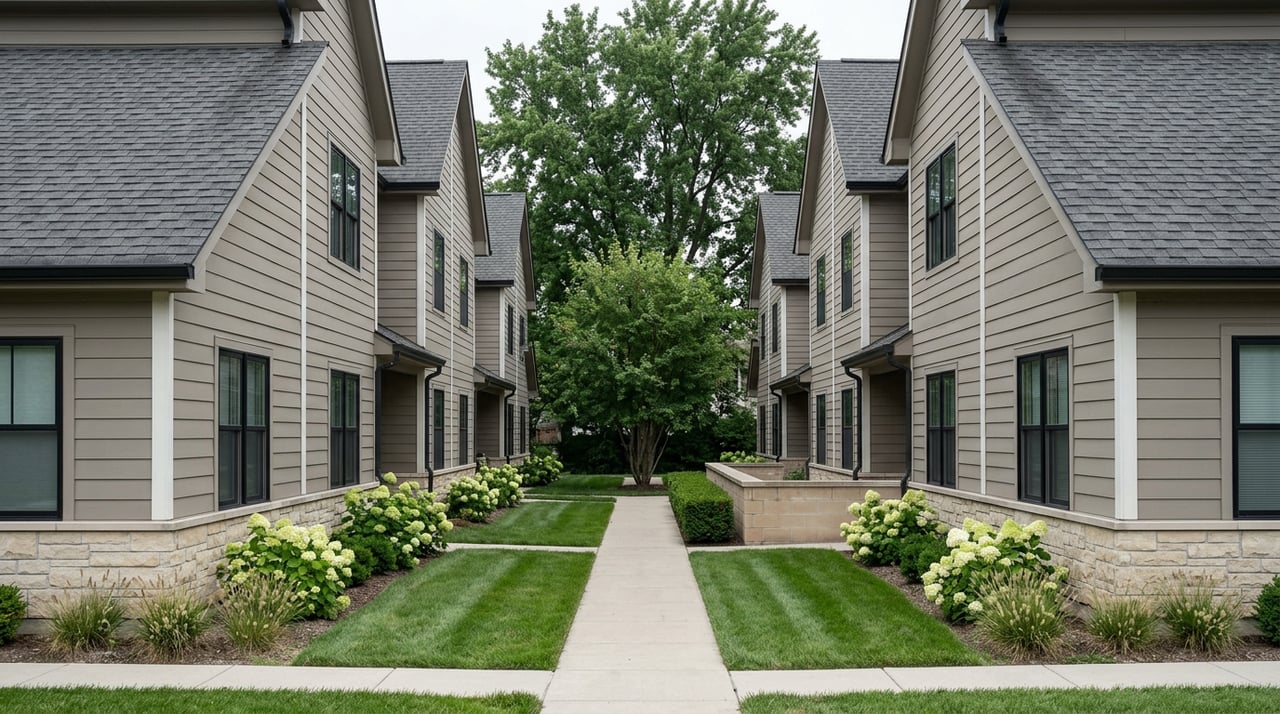
Prairie Trail is the part of Ankeny where this gap actually costs something. It's the city's most heavily HOA-governed neighborhood, built around a shared Pattern Book that sets exterior standards and an Architectural Review Board that signs off on new construction before it breaks ground. Lot types are defined down to the foot, with townhouse lots typically running 22 to 30 feet wide and 90 to 100 feet deep, and multiple named associations manage different sections of the development. The Villas at Prairie Trail Owners Association, for one, carries a median monthly fee near $212, based on public HOA fee data. That's real money layered on top of a mortgage payment, and it's tied to a set of reserve funds and capital plans that Iowa law does not require anyone to show you before you sign.
Recent Prairie Trail attached-home sales have generally landed in the $230,000 to $350,000 range, with detached new construction starting in the mid-$300,000s and running into the high $600,000s to $900,000-plus in the development's estate sections. Every one of those transactions carries the same disclosure gap, whether the price tag is $250,000 or $850,000.
The neighborhood also isn't done growing, which means this isn't a problem that fades once the current inventory sells through. Hubbell Realty Company broke ground this year on a new multifamily community called Siena Crossing near Oralabor Road and Ankeny Boulevard, and the city started widening Ankeny Boulevard itself this spring to handle the added traffic. More HOA-governed product is coming to this corridor, not less.
The Market Just Gave Buyers More Room to Ask
Two years ago, asking for extra documents before closing would have cost you the house. In the fall of 2024, the typical Ankeny home sold in about 22 days. By the same stretch in 2025, that had climbed to roughly 33 days, a market that was still moving but clearly slowing down. As of March 2026, Ankeny's broader housing data showed homes taking an average of 102 days to sell, compared with 75 days a year earlier, even as the median sale price held close to flat at $351,000, up just 0.3 percent year over year. Price per square foot actually slipped 2.9 percent over the same period.
Put those together and the picture is a market where sellers aren't losing value, but they've lost the leverage to rush a buyer past questions. A buyer who wants the HOA's reserve fund balance, the last 12 months of meeting minutes, and confirmation of any pending special assessment now has the time to ask for it and wait for an answer, without watching the house go under contract with someone else in the meantime.
Before You Waive Anything, Get This in Writing
Since Iowa law won't produce these documents for you, the request has to come from your offer, not from the state form. Before you remove a contingency, ask the seller or the association's management company to provide:
- The association's current operating budget and reserve fund balance
- Meeting minutes from at least the last 12 months
- Written confirmation of any pending or threatened special assessment
- A copy of the current insurance certificate for the association
- Written confirmation of any pending litigation involving the association
None of these are guaranteed by statute. All of them are reasonable to request, and in the current market, reasonable to wait for.
Quick Answers Before You Write the Offer
Will my agent request these documents automatically? Not unless it's built into the purchase agreement or specifically requested. Since Iowa doesn't mandate the packet, it has to be asked for, not assumed.
What if I'm buying a condo instead of a Prairie Trail townhome on a non-condo HOA? You get one guaranteed right, a payoff statement showing unpaid assessments on that specific unit, but you still have to request it, and it still won't tell you about the association's reserve fund or upcoming projects.
Does any of this apply if I buy a home with no HOA at all? No. Chapter 558A's property condition disclosure still applies, but there's no association paperwork to worry about because there's no association.
If you're weighing a Prairie Trail townhome against a home outside an HOA, or you just want someone who knows which Ankeny associations tend to be well-run and which ones are worth a closer look, the Ingrid Williams Real Estate Team can help you build the right questions into your offer before you're staring down a closing date. Start Your Next Move with a team that already knows what to ask.