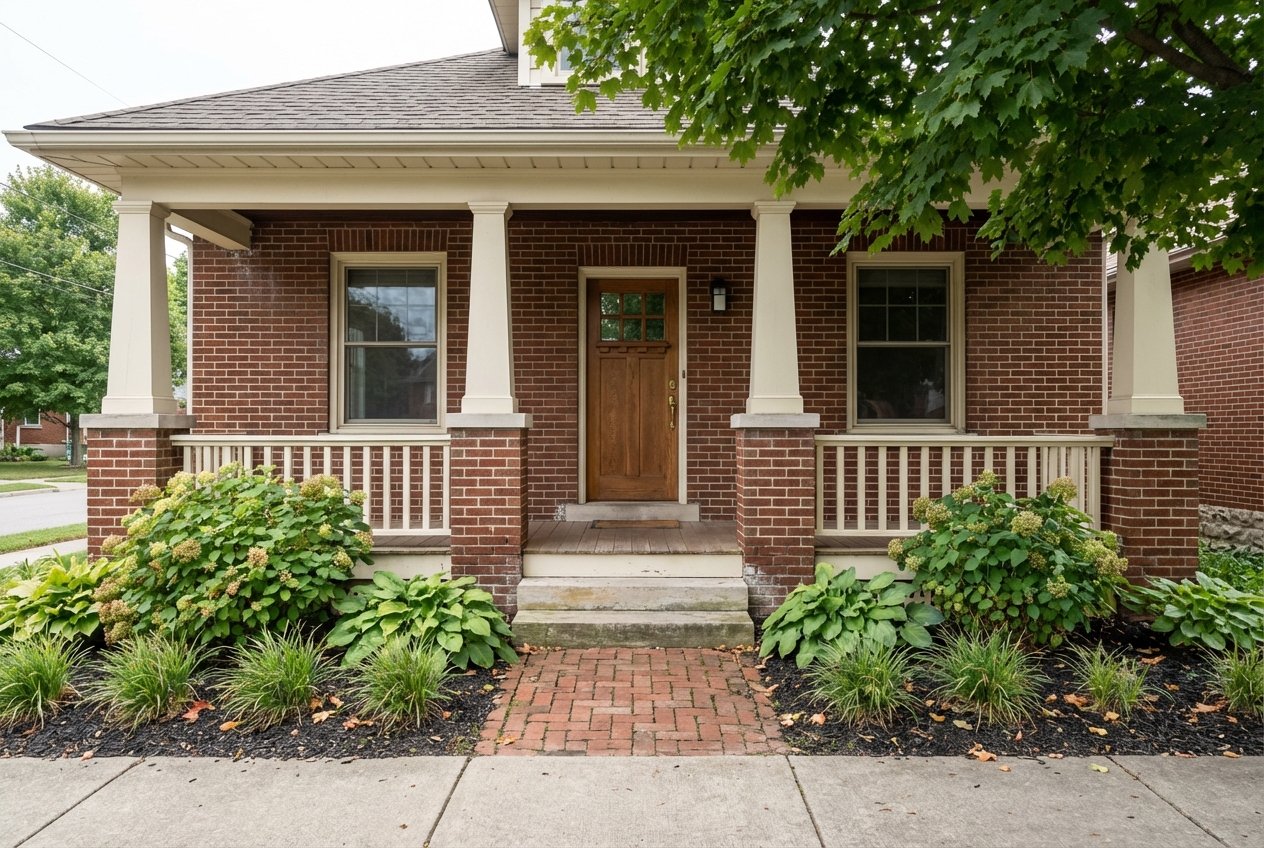
If you love character, craftsmanship, and a sense of place, Des Moines delivers. From ornate Victorian homes near downtown to brick bungalows and Tudor cottages on leafy streets, the city offers real architectural variety at approachable price points. If you’re thinking about a move, you likely want a quick guide to which neighborhoods fit your style, what to expect when buying a historic home, and how local rules and incentives work. This overview gives you a neighborhood-by-neighborhood tour and practical next steps so you can shop with confidence. Let’s dive in.
Why Des Moines stands out
Des Moines preserves a wide cross-section of American architecture, including late 19th-century Victorian districts, early 20th-century bungalows and Tudors, and impressive civic buildings. City leaders also back preservation with policy. The city’s preservation plan, ReflectDSM, frames how design review and neighborhood protections work so owners can plan improvements with clarity and support. You can explore how that framework guides projects in the ReflectDSM preservation plan.
Neighborhoods and hallmark styles
Sherman Hill: Victorian charm by downtown
If you picture turrets, wraparound porches, and decorative shingles, you’re thinking Sherman Hill. One of the city’s oldest neighborhoods and a National Register district, it concentrates late Victorian and early 1900s homes on a classic urban grid close to downtown. Learn more about the district’s history in the Sherman Hill Historic District overview.
Spot-the-style features:
- Asymmetrical facades with towers or bay windows
- Tall, narrow windows and detailed wood trim
- Wide porches with turned posts and railings
Buyer snapshot: You’ll find a mix of single-family homes and early apartment buildings with period details. Public market snapshots often show median prices in the low-to-mid $200Ks to $300Ks, but prices vary by property condition and size. Always confirm current data before you shop.
Historic East Village: Classic storefronts and adaptive reuse
Just east of downtown, the East Village blends historic commercial buildings with lofts and some converted residences. Architecture spans Italianate, Romanesque, Queen Anne, and early Commercial styles, with arched windows, brick cornices, and cast-iron storefront details. Get the historic context in the East Village profile.
What you’ll see:
- 1870s–1920s brick buildings with decorative brickwork
- Adaptive reuse into shops, dining, and residences
- Condo and loft options near civic and cultural anchors
Buyer snapshot: Prices for condos and lofts vary by building, size, and finish level, often ranging in the mid-$200Ks to mid-$300Ks in public snapshots. Check current MLS data for today’s numbers.
Beaverdale, Ashby Manor, Chautauqua Park: Bungalows and brick cottages
Northwest of downtown, Beaverdale and its listed districts, Ashby Manor and Chautauqua Park, offer 1920s–1940s streetscapes with sturdy brick cottages and Craftsman bungalows. A beloved local variant, often called the “Beaverdale Brick,” features steep gables and arched doorways. For background, see the Ashby Manor Historic District entry.
What stands out:
- Craftsman porches with tapered piers and wide eaves
- Tudor Revival forms with steep rooflines and masonry fronts
- Original interior woodwork in many retained homes
Buyer snapshot: Public snapshots frequently place neighborhood medians around the mid-$200Ks, with variation by block and house type. Inventory tends to include 2–3 bedroom bungalows and cottages with finished or finishable basements.
Drake University area and Salisbury House: Collegiate classics and an English manor
Near the university, you’ll find Classical Revival academic buildings from the 1880s–1910s and, nearby, Salisbury House, a large Tudor/English manor from the 1920s that illustrates high-style revival architecture. For a concise overview, explore the Drake University Campus Historic District.
What to notice:
- Stone and brick masonry with classical detailing on campus
- Leaded glass, half-timbering motifs, and formal rooms at estate scale
- Mix of nearby residential streets with early 20th-century homes
Downtown, Court Avenue, and the Polk County Courthouse: Civic Beaux-Arts and historic fabric
Downtown concentrates notable historic buildings and small districts, with the Polk County Courthouse as a standout Beaux-Arts landmark. Many surrounding structures feature early 20th-century office and warehouse masonry and enduring commercial storefronts. Learn more about the courthouse’s architecture in the Polk County Courthouse entry.
What you’ll see:
- Grand classical details on civic buildings
- Converted warehouses and lofts near restaurants and entertainment
- A walkable core with adaptive reuse projects
What to expect when buying a historic home
Local rules and design review
In Des Moines, exterior changes in local historic districts often require a Certificate of Appropriateness. That review helps protect neighborhood character and guides materials and methods that fit the district. For a clear example of the review process and why it matters to your timeline, see this local COA guidance. The city’s ReflectDSM preservation plan also emphasizes better public guidance, so owners can plan confidently.
Tips for staying on track:
- Verify if your property is in a local historic district
- Review city design guidelines before you draw up plans
- Build in time for application, staff review, and commission meetings if needed
Budgeting, scope, and contractors
Rehabilitation costs vary widely. Light refreshing can be modest, while full system replacements or structural work can be significant. Preservation resources recommend hiring inspectors who know older homes, prioritizing repair over replacement for character-defining features, and setting a contingency. A helpful primer on scope and budgeting is this rehabilitation guide.
Smart budgeting moves:
- Hire an inspector experienced with historic construction
- Ask for maintenance records and past permits
- Get bids from contractors familiar with historic materials
- Set a 10–25 percent contingency for surprises
Incentives and when they apply
Iowa’s State Historic Preservation Tax Credit can cover a percentage of qualified rehabilitation costs for certified projects. Program guidance cites up to 25 percent of qualified expenses, subject to current rules and windows. Start with the Iowa state tax credit overview, and confirm details directly with IEDA/SHPO.
Federal incentives primarily serve income-producing properties. The federal Historic Rehabilitation Tax Credit generally does not apply to owner-occupied single-family homes, and projects must follow the Secretary of the Interior’s Standards. You can review those treatment standards before planning work.
Energy upgrades, windows, and modern systems
You can usually improve energy performance without losing historic character. Common, low-impact steps include interior storm windows, targeted insulation in non-character spaces, and placing rooftop solar where it is not prominent from the street. Local design review rules vary, so always check with staff and design guidelines first. The ReflectDSM plan is a helpful starting point.
Quick buyer checklist
- Confirm district status: Is the home within a local or National Register district?
- Understand approvals: Will exterior work need a Certificate of Appropriateness?
- Inspect for age-specific issues: foundation, roof framing, electrical, plumbing, windows, and masonry.
- Prioritize preservation: Plan to repair character features like original windows or trim when feasible.
- Price the work: Get multiple bids from contractors with historic experience.
- Budget cushion: Hold 10–25 percent of your project budget in contingency.
- Explore incentives early: Review the state tax credit and whether federal rules could apply to a rental or mixed-use property.
Price expectations at a glance
Public market snapshots show broad variation across Des Moines historic areas. In recent reporting periods, medians often ranged from the mid-$100Ks to the mid-$300Ks, depending on neighborhood and property type. As examples, Beaverdale has often hovered in the mid-$200Ks, while Sherman Hill and the East Village have commonly landed around $250K to $340K for many units. Conditions change month to month, so check the live MLS and talk with a local advisor before you set a budget.
Make your move with confidence
Whether you’re drawn to a turreted Queen Anne in Sherman Hill or a brick bungalow in Beaverdale, Des Moines lets you pair architectural character with practical value. Our team can help you weigh district rules, estimate project scope, and spot the best homes for your style and budget. If you’re considering a historic property anywhere in the metro, reach out to the Ingrid Williams Real Estate Team to tour neighborhoods, compare options, and Start Your Next Move.
FAQs
Which Des Moines neighborhoods have Victorian or Queen Anne homes?
- Look to Sherman Hill and nearby late 19th-century districts for the densest concentrations of Victorian and Queen Anne architecture, including turrets, decorative shingles, and wraparound porches. See the Sherman Hill Historic District overview for context.
Where can I find classic Craftsman bungalows in Des Moines?
- Beaverdale and the listed districts of Ashby Manor and Chautauqua Park include many 1920s–1940s Craftsman bungalows and modest Tudor or Colonial Revival cottages. The Ashby Manor district entry highlights the era and styles.
Will I be blocked from modernizing a historic home in Des Moines?
- Not necessarily. Many owners modernize interiors and systems while preserving exterior character. Exterior changes in local historic districts often need a Certificate of Appropriateness. Review a sample COA process and the Secretary’s Standards before you plan work.
What price range should I expect for a historic home in Des Moines?
- Recent public snapshots often show medians from the mid-$100Ks to mid-$300Ks, with Beaverdale around the mid-$200Ks and Sherman Hill/East Village commonly near $250K–$340K depending on unit type. Always verify current MLS data.
How do historic tax credits work in Iowa?
- Iowa’s State Historic Preservation Tax Credit can provide up to 25 percent of qualified rehabilitation expenses for certified projects. Income-producing properties may also qualify for the federal Historic Rehabilitation Tax Credit. Start with the Iowa program overview and the treatment standards, then confirm current rules with IEDA/SHPO.