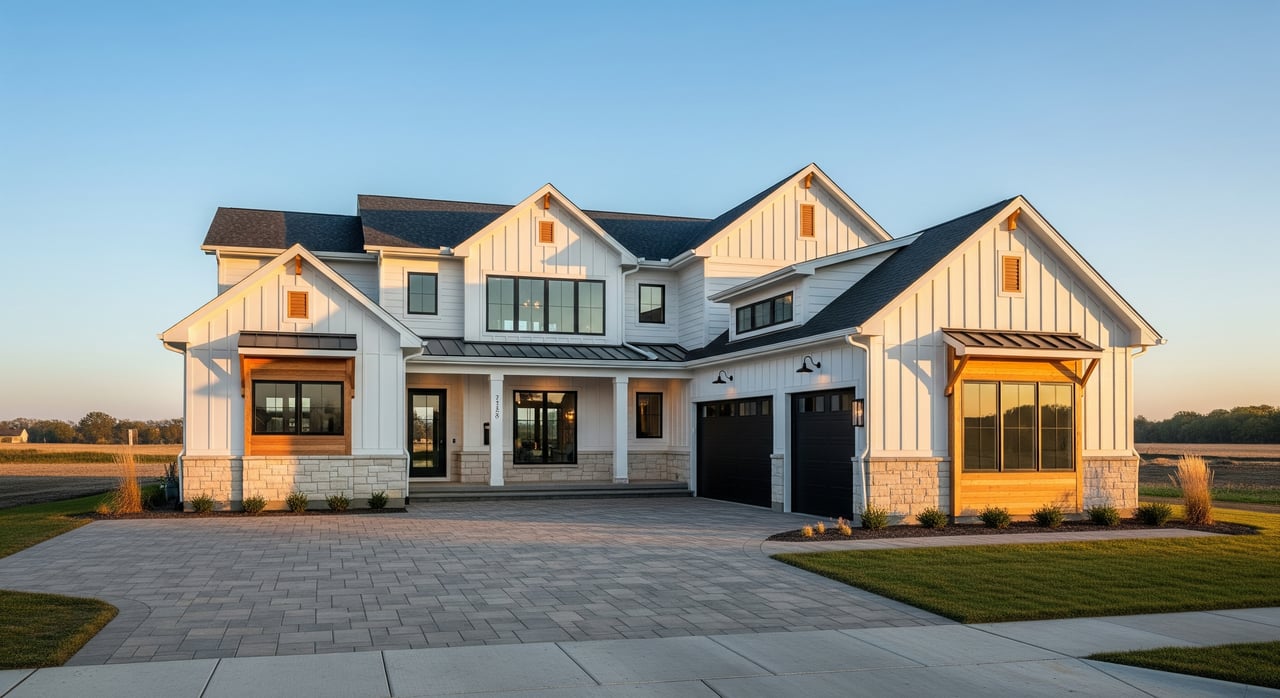
Thinking about building a new home in Waukee this year? You are not alone. With steady growth and fresh neighborhoods coming online, the choices can feel exciting and a little overwhelming. In this guide, you will learn how to zero in on the right corridor, compare builders, choose a lot with confidence, and set a realistic timeline so your move-in date does not slip. Let’s dive in.
Where new homes are in Waukee
New construction in Waukee tends to follow infrastructure expansion. As roads, utilities, parks, and school facilities extend, new subdivisions follow. Instead of chasing a static map, use a few reliable sources to build a current picture of where lots are being released and which builders are active.
You will see most activity in a few corridor types: areas near school campuses and planned public facilities, suburban extensions close to regional retail, and west-side greenfield land with larger lot options. Infill pockets near main commercial corridors also appear as smaller plats open up.
How to build your map this week
- Start with City of Waukee planning and community development pages. Look for approved preliminary plats, active subdivisions, and any phasing notes for streets, trails, and utilities.
- Cross-check Dallas County GIS or the parcel viewer to see newly platted parcels, lot lines, and ownership. This helps confirm what is actually recorded.
- Scan your local MLS using Waukee city limits with new construction filters. You will see active spec homes, builder names, and which neighborhoods are listing inventory.
- Review builder and developer community pages. “Now selling” and community maps often show current lot releases and model home locations.
- Drive the corridors you shortlist. Look for graded streets, model homes, and construction trailers. Satellite imagery and a quick neighborhood drive can validate what is truly active right now.
Choosing a builder in Waukee
Before you fall in love with a floor plan, decide what type of build fits your timing and budget. Your choice influences price, customization, and how long you will wait for keys.
- National or regional production builders. These offer higher volume, standard plans, quicker cycles, and often some spec inventory. You choose from curated options and packages.
- Local custom or semi-custom builders. These provide more flexibility, plan tweaks, and finish choices. Builds can take longer and often carry a higher price per square foot.
- Local spec or infill builders. These may deliver single spec homes on newly released lots. If you want a quick move, a spec can shorten your timeline.
Where to find active builders
- MLS searches for Waukee new construction often show builder names tied to listings.
- City building permits list recent permit holders and addresses. This reveals who is actively building and at what pace.
- The local Home Builders Association directory can help you identify reputable area builders and contact points.
- Community sales offices and model homes display which builders hold lots in that subdivision.
How to vet a builder
- Ask for recent completed projects and references from past buyers. Call at least two and ask about communication and warranty follow-up.
- Confirm licensing and insurance. Verify registration requirements and any local licensing.
- Review public feedback such as BBB and online reviews. Focus on patterns, not one-off comments.
- Request a standard inclusions list, sample contract, change-order policy, and written build timeline. Ask whether there are any penalties or remedies for late delivery.
- Clarify the relationship between the builder and the lot developer. This can affect lot premiums, availability, and negotiation.
Picking the right lot
Lot selection drives a surprising amount of cost, design, and schedule. Get the details in writing before you sign.
- Finished lots. Graded with utilities stubbed and curb in. These support faster starts and more predictable timelines.
- Estate or oversized lots. These may carry different setback or landscaping rules and could change your site costs.
- Unfinished or raw lots. These often require grading, longer utility runs, and potential mitigation, which adds time and money.
Technical checks for any lot
- Plat and covenants. Confirm setbacks, minimum house sizes, exterior material rules, fence and landscaping guidelines, architectural review steps, and any HOA dues.
- Floodplain and stormwater. Review flood maps and stormwater plans to understand required elevations and runoff controls.
- Soils and geotech. Ask for soil or geotechnical reports if available. Clay, fill, or high water tables can require special foundation or drainage work.
- Utilities and tap fees. Confirm water and sewer service, plus electric and gas provider details. MidAmerican Energy commonly serves the metro, but verify hookups and any connection fees with the provider.
- Easements and overhead lines. Side and rear easements can limit future patios, sheds, or tree planting.
- Orientation and grade. Sun exposure, rooflines, and slope affect basement options, energy use, and yard usability.
- Road and curb status. Ask if streets are final or temporary and whether infrastructure assessments are posted and complete.
Cost factors to ask about
- Lot premiums. Many builders price corner, walkout, and larger sites higher. Get the premium in writing and ask if it is refundable if your deal falls through.
- HOA fees and assessments. Request a pro forma HOA budget and any schedule of future assessments for amenities or stormwater.
- Impact, permit, and connection fees. Confirm what is due at contract, permit, and at utility taps so there are no surprises.
New build timelines in Waukee
Your schedule depends on lot readiness, builder capacity, and how much you customize. Plan conservatively and get the builder’s timeline in writing.
- Spec homes. From contract to close can run about 60 to 180 days, depending on build stage when you purchase.
- Build-to-order on a finished lot. Often 6 to 12 months from contract to closing with production builders.
- Custom builds. Frequently 8 to 14 months or more, based on design complexity and selections.
Phase-by-phase milestones
Pre-contract and lot reservation, 0 to 6 weeks. You will complete pre-approval, select a plan, and review documents.
Contract and selections, 2 to 6 weeks. Sign the base contract, pay the initial deposit, and finalize finishes.
Permitting and site prep, 2 to 8 weeks. Permit approval, grading, and utility stubs. Unfinished lots can add time.
Foundation, 1 to 3 weeks. Excavation, footings, and concrete curing.
Framing, 2 to 6 weeks. Walls, roof, and sheathing take shape.
Mechanical rough-ins, 2 to 4 weeks. HVAC, plumbing, and electrical installations.
Insulation and drywall, 1 to 4 weeks. Enclosure and interior shape come together.
Interior finishes, 4 to 10 weeks. Cabinets, flooring, paint, and trim. This stage often varies most.
Finals and occupancy, 2 to 6 weeks. Final mechanicals, punch list, inspections, and certificate of occupancy.
What can delay a Waukee build
- Weather and seasons. Spring thaw and winter freeze affect site work and concrete.
- Material lead times. Windows, cabinets, appliances, and special finishes can vary.
- Changes and late selections. Requests after framing begins often push completion.
- Utility and infrastructure timing. Off-site roads, sewer taps, and inspection schedules create dependencies.
- Subcontractor availability. Trade scheduling can extend the finishes stage.
- Permitting or remediation. Wetlands, soils, or extra reviews can add steps.
Timing tips for a spring start
- If you want a summer or fall move-in, start lot and builder discussions in late fall or winter.
- If you prefer speed, monitor spec inventory early in spring. These homes sell quickly.
- Ask whether your move-in date is guaranteed or estimated. Get delay and change-order policies in writing.
How to tour and compare builders
A focused on-the-ground process helps you compare apples to apples. Give yourself two weekends to complete initial tours and document reviews.
- Narrow by corridor type. Choose two or three areas that fit your commute, parks, and everyday needs.
- Book model and community tours. Many sales offices require appointments for on-site walk-throughs.
- Visit at different times. Check traffic and normal activity on weekdays and weekends.
- Ask to see an in-progress home. Touring a framing or mechanical stage home reveals build quality.
- Compare at least three builders and two or three lots. Track pricing, included features, and timelines.
Documents to request
- Base price sheet and full inclusions list
- Lot premium schedule and a lot-specific plat
- Covenants, HOA documents, and an estimated HOA budget
- Preliminary plat and stormwater plan
- Any available soil or geotech report or foundation requirements
- Standard warranty terms and coverage details
- Sample contract and change-order terms with deposit schedule
- Estimated completion schedule with milestones
- Final inspection checklist and certificate of occupancy process
On-site questions to ask
- Is this a spec or build-to-order lot, and what is the target close date?
- What is included in base price, and what are typical upgrade costs?
- Who manages upgrades with long lead times, and how are allowances handled?
- Are there unpaid or planned special assessments for roads or amenities?
- Who are the utility providers, and what are expected hookup or tap fees?
- What warranty coverage is included, and how do I submit requests after closing?
- Can I tour a recently completed home and speak with that homeowner?
- What happens if there are delays outside your control versus inside your control?
Financing and contract checkpoints
- Get pre-approved before lot reservations. Builders may offer preferred lenders, but compare rates and programs.
- Understand the deposit schedule. Many builders collect earnest money at contract and stage-based deposits.
- Clarify who handles title and closing services. Confirm timing for walk-throughs and punch lists.
- Ask for the warranty process in writing. Know whom to contact and typical response timelines after move-in.
Make your Waukee plan
Building in Waukee can be smooth when you map the right corridors, vet your builder, and choose the lot with eyes wide open. Use the steps and checklists above to control your budget, set a realistic timeline, and avoid surprises. If you want a local guide who knows the neighborhoods, builders, and current lot releases, the Ingrid Williams Real Estate Team is ready to help you compare options and move forward with confidence.
Ready to tour lots and model homes? Reach out to the Ingrid Williams Real Estate Team to start your next move.
FAQs
How long does a typical new build in Waukee take?
- Most build-to-order homes take about 6 to 12 months from contract to closing, while spec homes can close in roughly 60 to 180 days depending on stage.
Where is new construction happening in Waukee right now?
- Activity clusters near expanding infrastructure, including corridors by school campuses, west-side greenfield land, suburban extensions near retail, and select infill near main commercial routes.
What should I check before choosing a Waukee lot?
- Confirm plat and covenants, floodplain and stormwater plans, soils, utilities and tap fees, easements, orientation and grade, and any HOA fees or special assessments.
How do lot premiums work in new subdivisions?
- Builders often add premiums for desirable sites like walkouts or corners. Ask for the exact amount, whether it is refundable, and what it includes.
Should I use a builder’s preferred lender for my Waukee build?
- Preferred lenders can streamline communication, but you should still compare rates, fees, and programs to find the best fit for your budget and timeline.
What causes most construction delays in Waukee?
- Common factors include weather, material lead times, buyer changes, utility and inspection timing, subcontractor schedules, and any needed site remediation.