Thinking about selling your Waukee home this summer or early fall? You are not alone. Many local homeowners aim to move between school years, and the right pricing and prep can make all the difference in your bottom line. In this guide, you will learn how to set a smart price, use the school calendar to your advantage, focus on updates that pay off, and launch your listing for maximum impact. Let’s dive in.
Price your Waukee home with precision
Third-party providers show a mixed but workable market in early 2026. Recent snapshots put Waukee’s median sale price near $375,000, while median list prices trend in the low to mid $400Ks. Reported days on market vary by source, often around 80 to 85 days, and a sales-to-list ratio near 99 percent appears common. The takeaway is simple. These numbers are helpful context, but your price should be anchored to the most recent neighborhood comps.
Waukee has clear micro-markets. Newer areas near Kettlestone may behave differently than established subdivisions, and inventory can shift block by block. Local development and buyer interest also influence demand patterns in Waukee’s growth corridors, including the Kettlestone area highlighted in recent local reporting on the city’s expansion and town center activity. You will get the best read by focusing on the last 30 to 90 days of comparable sales in your subdivision and nearby streets. Local reporting on Kettlestone’s growth helps explain why these differences matter.
Build a rock-solid CMA
- Pull 5 to 10 sold comps that match your home’s age, bed and bath count, finished square footage, lot size, and general location.
- Use price per square foot as a cross-check, then make adjustments for basement finish, garage size, lot features, and recent mechanical updates.
- Review active and pending listings to understand your competition and momentum.
- Confirm comps through your agent’s MLS. Automated valuations are a starting point, not the final word.
Pick a pricing strategy
- Market/value price: list near the middle of your adjusted comp range to attract the largest buyer pool.
- Aggressive/time-sensitive: list slightly below top comps or just under common search thresholds to maximize early traffic.
- Premium/test: list above comps only if you have documented upgrades, top-tier presentation, and time to wait. Reassess quickly based on feedback.
Use a 14-day feedback window
The first two weeks typically deliver the most online views and your strongest offers. Watch showing counts, online saves, and feedback. If traffic is light or buyers repeat the same concerns, adjust price or presentation early. Quick course-corrections preserve your negotiating power.
Time your list date around Waukee schools
Waukee is a family-focused market, so many buyers try to move between school years. The Waukee Community School District’s 2025–26 calendar started in late August 2025 and ended in late May 2026. Spring break was in mid-March. If you plan to list between June and September 2026, you are targeting the window when families want to close before the next school year.
For maximum buyer reach, aim to be market-ready by mid to late spring. Many studies highlight mid-April as a strong national window, and local demand often surges through May and July as families plan summer closings. If you need to list later in summer, a June go-live can still position you to close before school starts. Non-family buyers and relocators stay active year-round, but pricing and presentation matter even more outside of peak season.
Prep that pays: a 3 to 6 month plan
A clear plan keeps you on time and on budget. Here is a simple, proven timeline.
3 to 6 months out
- Order a CMA with your agent and select your preliminary price range.
- Walk the home with a contractor or consider a pre-list inspection to spot major issues early. A pre-list inspection can reduce surprises and help your negotiation plan. This seller guide explains the tradeoffs.
- Start decluttering and packing non-essentials. Plan for storage if needed.
- Budget for staging, pro photography, and any curb appeal work.
4 to 6 weeks out
- Complete high-impact, low-cost fixes like neutral paint, hardware refreshes, HVAC service, and landscaping.
- Book your professional photographer, 3D tour, and floorplan provider.
- Finalize your staging plan. Decide which rooms to stage in person and which can be virtually staged.
1 to 2 weeks out
- Deep clean, repair minor items, and remove personal photos and excess decor.
- Set up staging and confirm your photo date.
- Complete required disclosures and prep for first-week showings.
High-impact updates and ROI
Not every project pays off the same. Focus on what buyers notice first and what comps support.
Curb appeal first
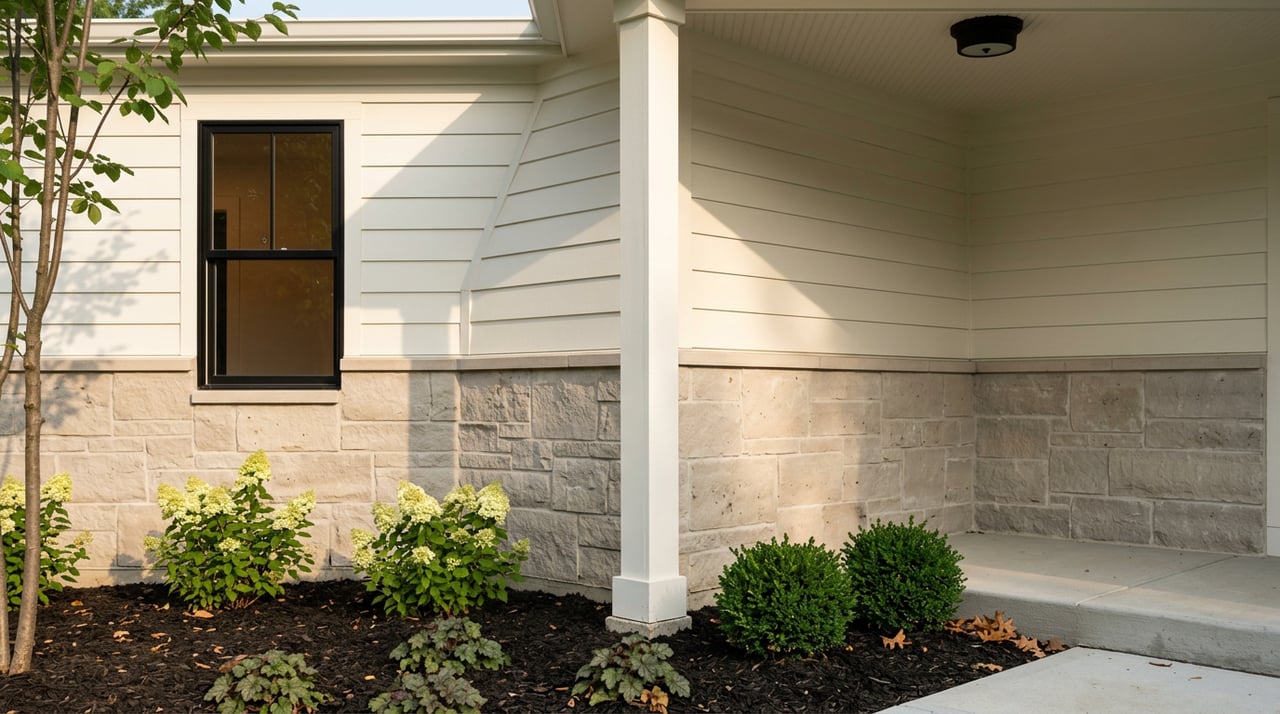
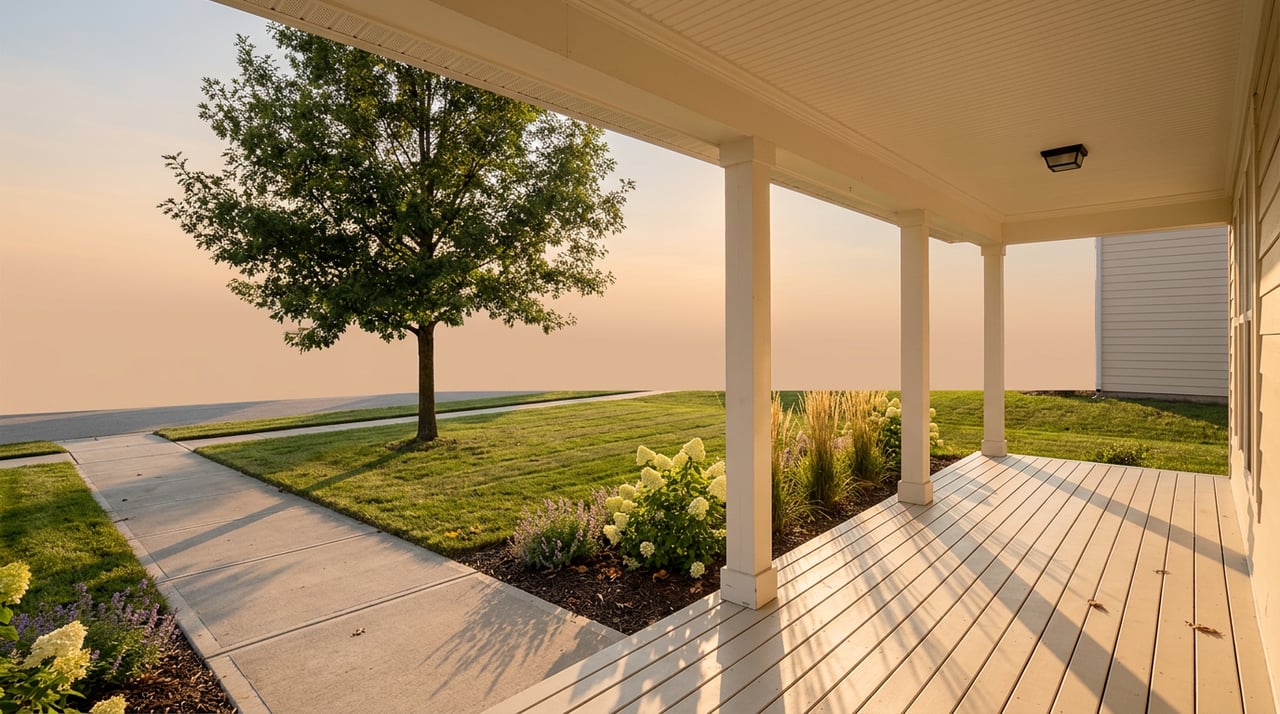
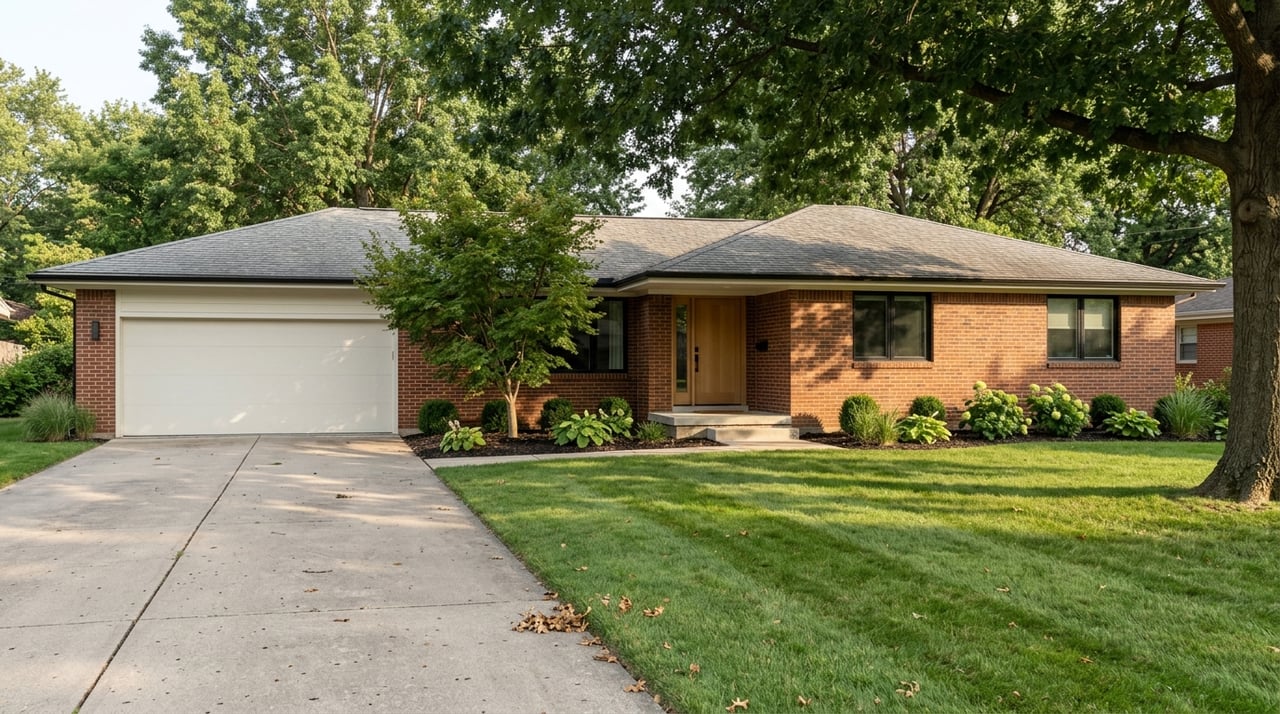
Exterior improvements create strong first impressions. National Cost vs Value data shows projects like a garage door or entry door replacement rank among the top for cost recoup. If your front entry, lighting, or landscaping looks tired, refresh it before you list. Review national ROI trends to set expectations using the Cost vs Value report.
Cosmetic refresh that sells
A neutral paint palette, brighter lighting, and small flooring fixes help buyers picture themselves in the space. Staging also makes a measurable difference. Agents in the National Association of REALTORS 2025 staging report saw staged homes draw more interest and, in many cases, higher offers. Focus first on the living room, kitchen, and primary bedroom. See highlights in the NAR staging report.
Kitchens and baths, done right
If updates are needed, prefer a “minor midrange” kitchen refresh instead of a full gut remodel when you plan to sell soon. Cabinet refacing or paint, new hardware, updated counters, and better lighting can elevate the space without overspending. National data shows minor kitchen projects often recoup a larger share than major upscale renovations. Check current ROI patterns in the Cost vs Value report.
Mechanical and safety items
Buyers discount for risk. Address known roof, HVAC, plumbing, or electrical issues that will surface on inspection. A pre-list inspection can help you decide what to fix now and what to price-in. Learn more about the benefits and tradeoffs in this seller-focused overview.
Staging and professional photos
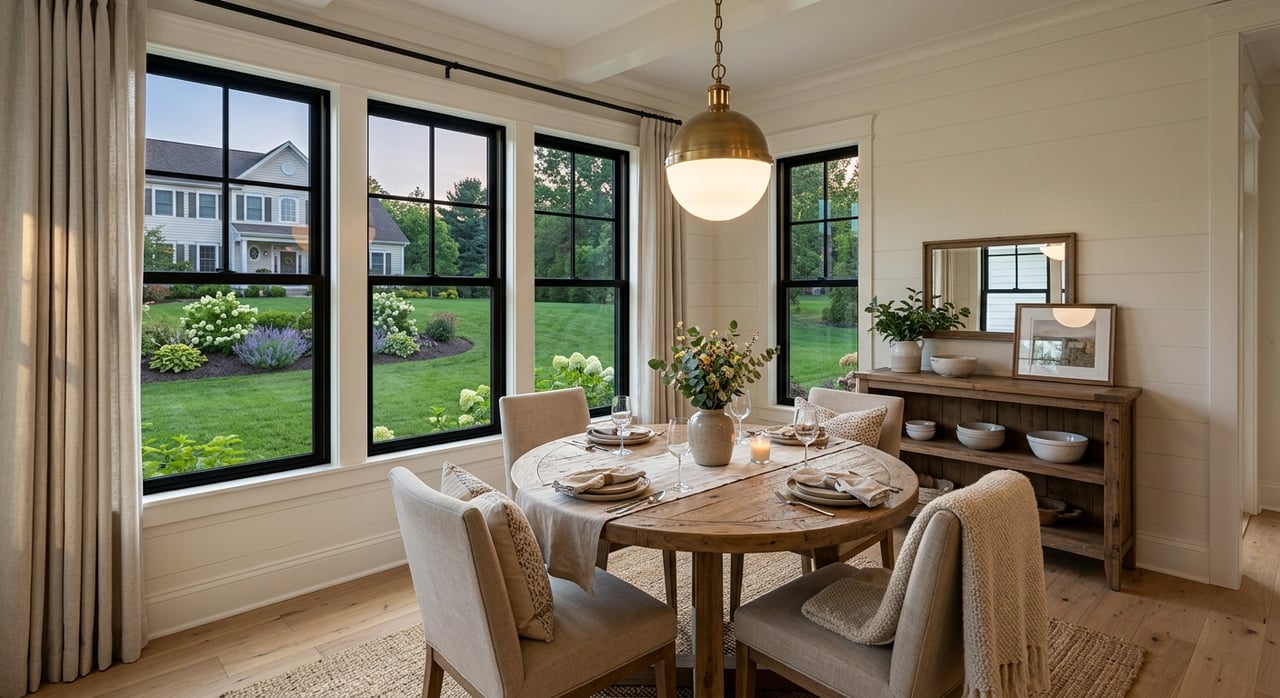
Staging shapes how buyers feel, and photos shape who shows up. NAR research links staging to shorter market times and stronger offers. Pair staging with a high-quality photo set, a 3D tour, and a clear floorplan. This combination boosts online engagement and sets up a strong first weekend.
Practical budget guide
- Professional photography and a virtual tour: about $150 to $500.
- Basic staging package: about $1,000 to $4,000 depending on rooms.
- Minor cosmetics such as paint, hardware, and a deep clean: often under $3,000.
- Targeted minor kitchen refresh: about $10,000 to $30,000 depending on scope. Use Cost vs Value data to gauge expected recoup before you commit.
Launch plan and showings
Your first week on market matters. A thoughtful launch can earn you more showings and better offers.
- List on the MLS with professional photography, a 3D tour, and a floorplan.
- Post across social channels and notify top buyer agents in the neighborhood.
- Go live early in the week so buyers can plan weekend showings. Thursday is a common choice for maximum weekend traffic.
- Set clear showing rules, collect feedback quickly, and be ready to adjust if needed.
For showings, keep the home tidy, well lit, and set to a comfortable temperature. Provide a brief features sheet that highlights updates, mechanical ages, and any included items. If your home is occupied, plan predictable showing blocks and a smooth parking and entry setup so buyers feel at ease.
Disclosures and closing costs for Iowa sellers
Required Iowa disclosures
Most residential sellers of 1 to 4 unit properties must complete the Iowa Seller Property Condition Disclosure. Your agent will obtain this at the time of listing and deliver it to buyers per state rules. Read the instructions carefully and keep copies. You can review the rule language in the Iowa Administrative Code.
Lead-based paint for pre-1978 homes
If your home was built before 1978, federal law requires a lead-based paint disclosure, the EPA/HUD pamphlet, and a 10-day inspection period unless waived by the buyer. Make sure the required forms and pamphlet are included. Learn more from the EPA’s lead disclosure page.
Should you do a pre-list inspection
A pre-list inspection can surface issues before buyers do. This may speed up negotiations and reduce requests for credits, but it can also create repairs you must address. The right choice depends on your home’s condition and how competitive your segment is. For a balanced overview of pros and cons, see this seller guide.
What to budget at closing
Sellers in Iowa typically pay real estate commissions and a set of transfer and title fees. Combined commissions are often cited near 5.5 to 6 percent in many local surveys, plus owner’s title insurance where customary, prorated taxes, and any agreed credits. Ask your agent and closing company to prepare a detailed net sheet so you know your bottom line before you list.
Your next move
Pricing and prep are where you win your sale. If you build a comp-driven price, time your launch with the local calendar, and focus on buyer-visible updates, you set yourself up for a faster sale and stronger offers. If you want a clear, step-by-step plan tailored to your home and neighborhood, the Ingrid Williams Real Estate Team is ready to help you get market-ready and move with confidence.
FAQs
What is the best month to list a home in Waukee?
- Spring and early summer attract the largest pool of family buyers, with many aiming to close before school starts. Mid-April through June often delivers strong activity, with solid momentum into July.
How should I pick a list price if online estimates disagree?
- Use a local CMA with 30 to 90 day sold comps in your subdivision as the final guide. Online estimates are useful context, but recent neighborhood sales are what buyers and appraisers follow.
Which updates add the most value before selling?
- Focus on curb appeal and light cosmetic refreshes first. National Cost vs Value data shows garage and entry doors perform well, and minor kitchen improvements often recoup more than full upscale remodels.
Do I really need to stage my home?
- Staging helps buyers visualize living in the home and can shorten time on market. NAR research shows many agents see a 1 to 10 percent lift in offer amounts where staging is used.
What disclosures do Iowa home sellers need to provide?
- Most sellers must deliver the Iowa Seller Property Condition Disclosure. Homes built before 1978 also require a federal lead-based paint disclosure and pamphlet.
How much should I budget for seller closing costs in Iowa?
- Plan for real estate commissions, owner’s title insurance where customary, prorated taxes, and standard closing and transfer fees. Ask your agent for a net sheet to model your specific numbers.